Observe freely.
Bring imaging into the habitat. Let fish pass naturally through a useful field of view.
- A passing fish
- A useful image
- Environmental context
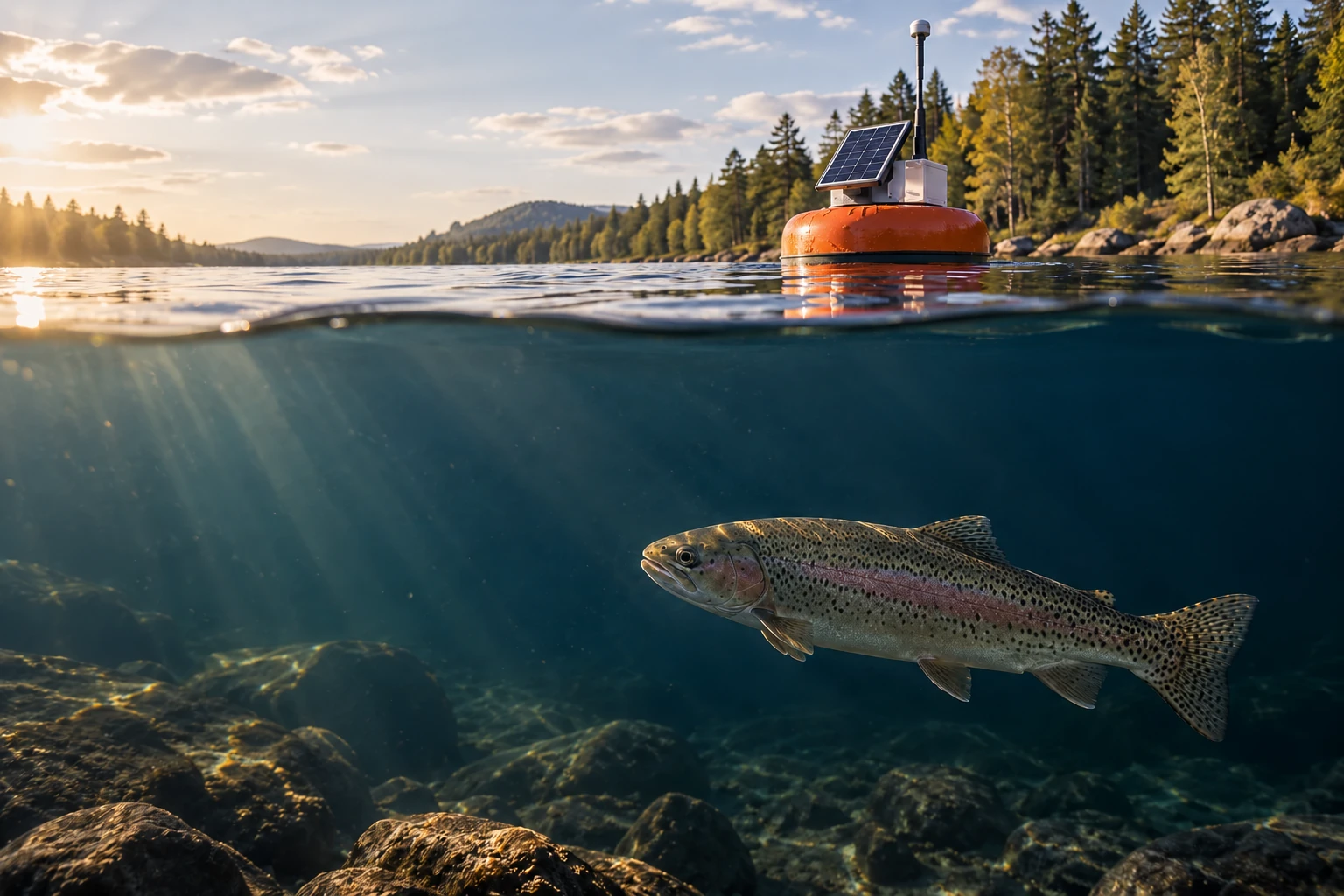
AI VISION / THE FUTURE OF PHANTOMTASK
Our vision: intelligent field systems that help us understand the living world with less interference.
Concept imagery. Buoy design and visual identification remain under development.
FROM FIELD TO CLARITY. AND BEYOND.
Today, we connect remote equipment to useful information. Tomorrow, we want those systems to understand more of what is happening around them.
Computer vision could extend the same PhantomTask approach: collect in the field, automate the work, and turn observations into insight.
Wildlife monitoring is one place we want to begin. It is part of a broader ambition to make difficult-to-monitor environments easier to understand.
Day preview · beacon offLocal time · night 7 PM–7 AM
Explore the ten components and their roles below.
Ten connected components, from solar energy above the surface to imaging below. Hover to explore a part; select it to keep it in focus. The other components separate into clear, spaced positions.
Concept assembly · not a final engineering specificationRemote collection, Python automation, equipment integration and dashboards are the foundation we’re building on.
This buoy concept brings that approach onto the water: power and communications above the surface, with a proprietary imaging system below.
Explore our existing approachA buoy could become an observation point within a waterway, bringing cameras, computing and environmental context together while fish continue past.
Less handling.
More natural movement.
A better view.
Concept system, not a final hardware specification.
Capture, handling, implanted or attached identifiers, specialized detection equipment and passage structures remain important scientific tools. We want to explore another option where images can provide useful evidence.
Camera placement, power, communications, GPS, above-water imaging and environmental sensors would depend on the location and research question. Visual methods would complement established techniques where they can be validated.
We want to investigate whether natural characteristics could connect one encounter with another. A fish moving freely. An image worth keeping. A familiar pattern seen again.
VISUAL FEATURE RESEARCH
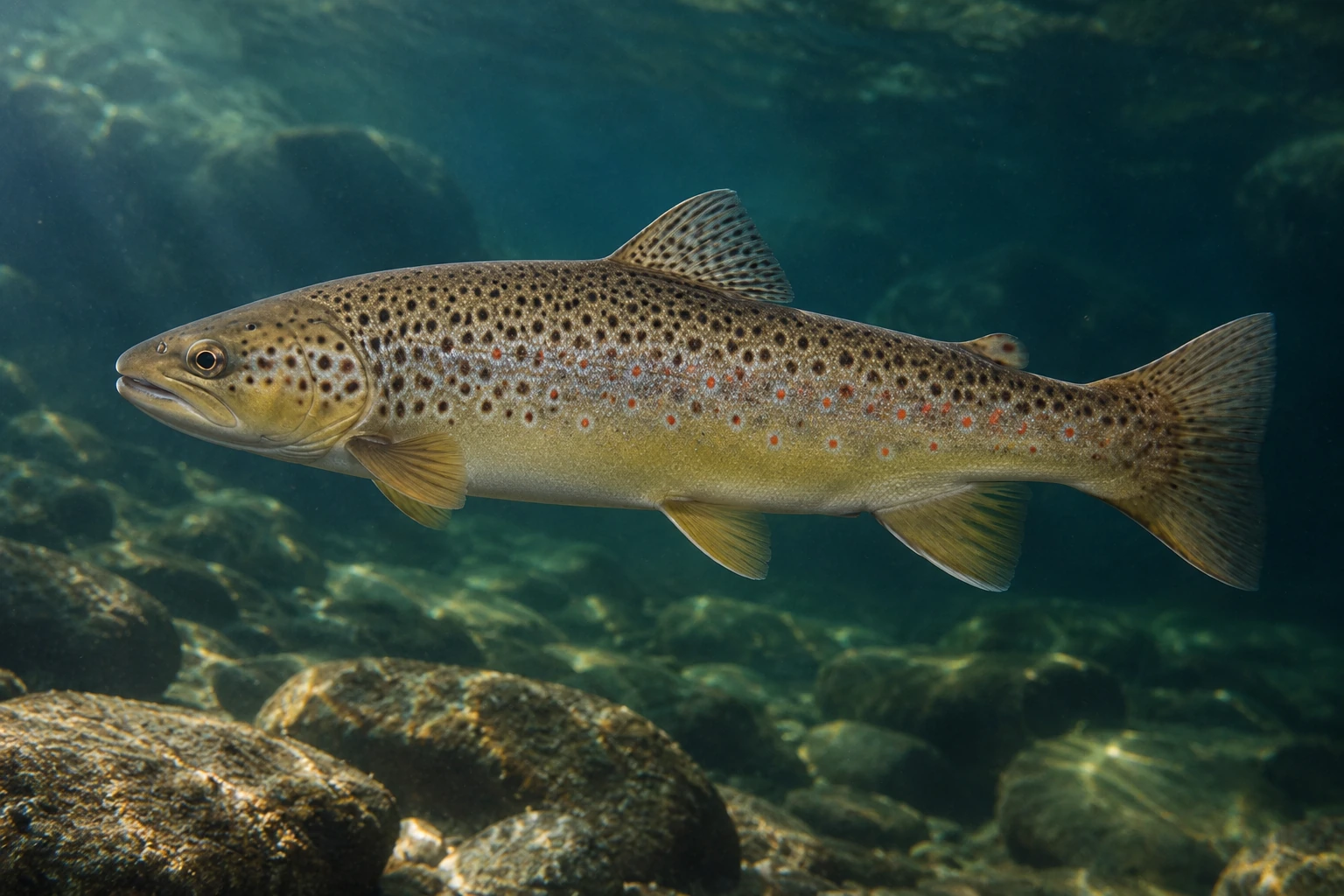 Concept imagery · no model is running
Could the arrangement of spots or coloration remain recognizable across encounters? Lighting and biological changes must be accounted for.
That possibility needs careful validation. Lighting, water clarity, viewing angle and changes in appearance can all affect a comparison.
From a moment in the water to a record that helps people ask better questions.
Bring imaging into the habitat. Let fish pass naturally through a useful field of view.
Explore how species, markings and other visible characteristics could help us understand what the camera sees.
Investigate whether a new observation can be associated with a fish seen before, keeping uncertainty with the record.
Bring observations into PhantomTask’s data workflows to explore activity, movement and habitat over time.
Repeated observations could help reveal species activity, migration timing and habitat use. Sightings would not imply continuous tracking between encounters.
CONCEPTUAL WORKFLOW
A buoy-mounted camera would continuously or periodically observe an appropriate section of water, allowing fish to pass naturally.
Illustrative concept — sample data. Real-time detection is an ambition; transfer and dashboard update frequency would depend on deployment conditions.
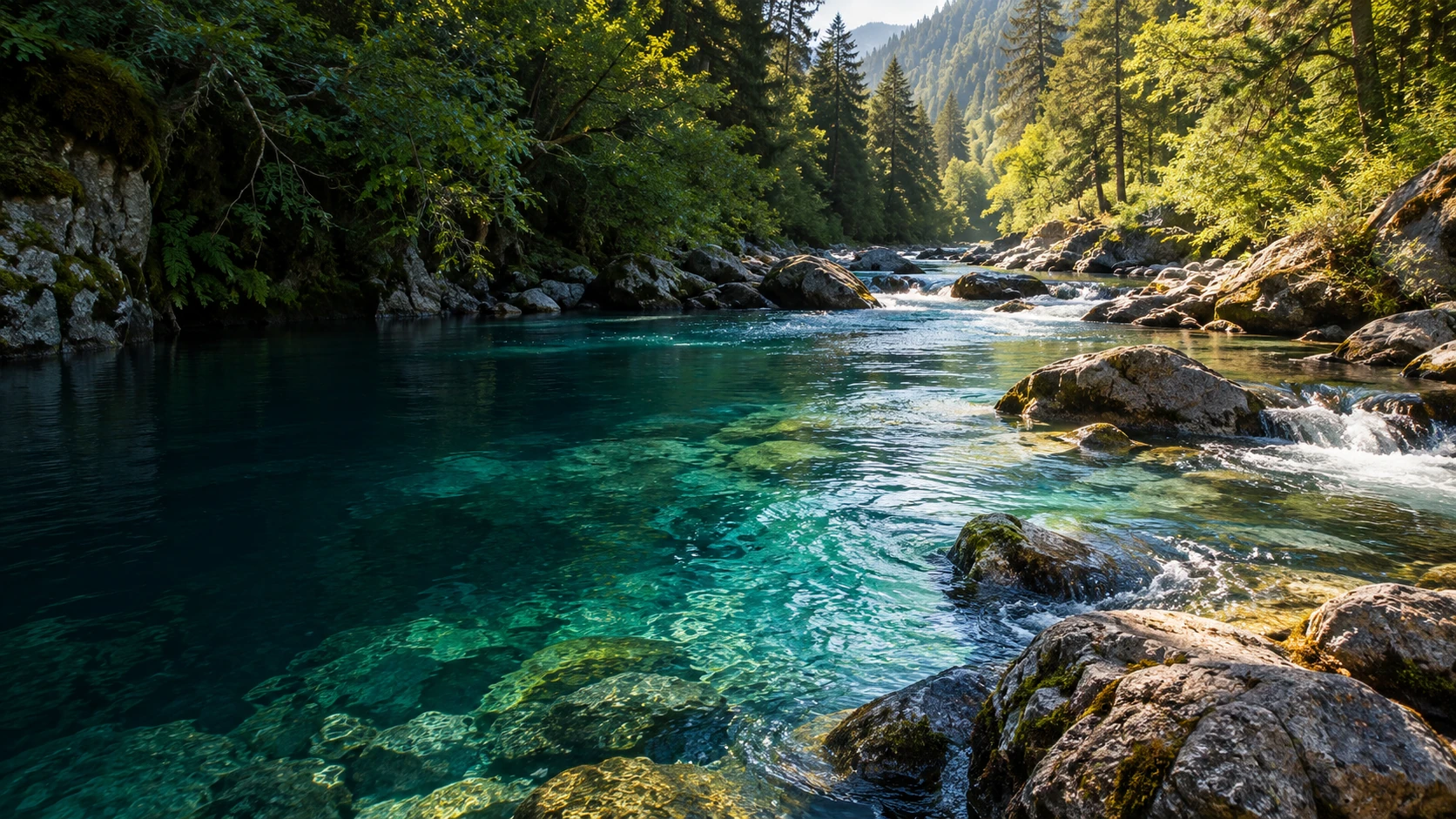
THE REASON TO BUILD IT
Observe the ecosystem without unnecessarily changing the ecosystem in order to observe it.
Through our work with WSB, we see an opportunity to bring environmental expertise, field engineering and AI together.
Our ambition is to help people understand wildlife movement and behavior with less unnecessary interaction with animals and their habitat.
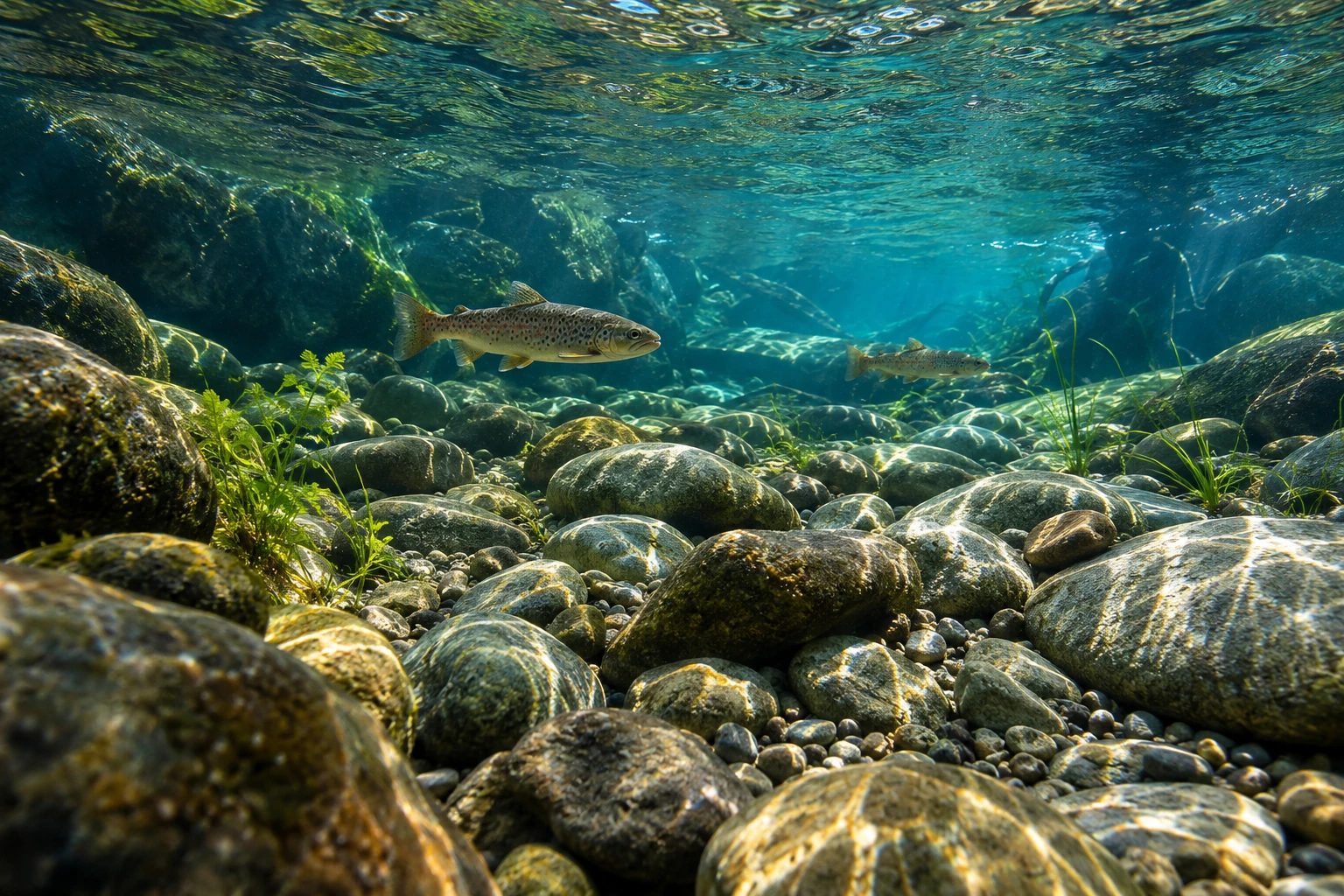
Explore observation with less capture, handling and physical identification.
Study movement and habitat while seeking ways to reduce disruption.
Make useful field information easier to revisit, compare and understand.
Explore where repeated capture and physical handling could be reduced.
Investigate where visual methods could complement or reduce the need for implanted identifiers.
Seek configurations that do not require restrictive passage structures.
Explore remote observation over longer periods, subject to field conditions and system availability.
Study activity with less direct interaction between animals and monitoring personnel.
Retain visual context alongside each usable observation.
Explore patterns across repeated sightings without assuming continuous tracking between them.
Relate observations to location, environmental readings and habitat context.
Potentially reduce repeat visits to difficult, isolated or hazardous monitoring locations.
Validated observations could inform habitat restoration, migration corridors, fish passage, conservation planning and infrastructure decisions. These are intended applications, not reported outcomes.
AI-generated habitat imagery illustrating the environments we hope to understand.
Good imagery. Careful research. Practical field engineering. We’re bringing these disciplines together to explore what comes next.
We’re using NVIDIA GPUs to train and develop computer-vision research, including detection, classification and visual recognition.
Research computing is separate from the eventual onboard hardware. No NVIDIA affiliation or endorsement is claimed.A proposed sequence, with no completion dates or completed stages claimed.
Collect, classify, clean and organize suitable fish imagery.
Train and evaluate models that detect fish in images and video.
Train and validate models for relevant species, retaining unknown results.
Investigate which natural characteristics are repeatable enough for individual recognition.
Research comparisons between new observations and historical records.
Evaluate clarity, lighting, depth, motion, viewing angle, occlusion, seasons and biological appearance changes.
Integrate imaging, computing, communications, sensors and power into a field-ready concept.
Compare observations with scientifically established reference methods before relying on identification claims.
Connect suitable records to PhantomTask’s remote data infrastructure.
Develop organized, searchable observation histories and long-term monitoring dashboards.
BUILD THE FUTURE WITH US
We’re looking for people who understand the environments, the animals and the technology. Bring your expertise to PhantomTask’s next chapter.
Fisheries researchers, wildlife and marine biologists, aquatic ecologists, universities and conservation organizations.
Computer-vision researchers, machine-learning engineers, dataset contributors and camera or imaging specialists.
Edge-computing specialists, hardware developers, field-testing and pilot partners, research sponsors and environmental engineering organizations.
Opens an email draft to Remote@biorngroup.com with the AI Wildlife Identification Project in the subject. Review and send it in your email app.